perspective correction architecture photography
Perspective correction for architecture photos
When should verticals be controlled optically, corrected later or intentionally allowed to converge?
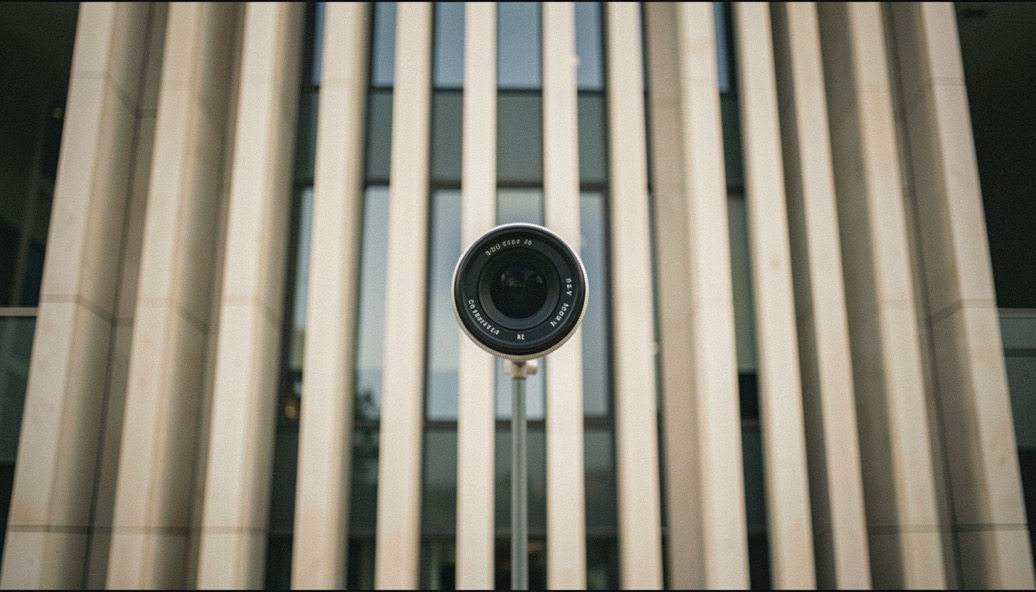
Understand optical shift, level camera position and software geometry as distinct choices. The practical goal is a frame or sequence that can be explained before capture, assessed after capture and found again after delivery. The method below stays source-led where a standard or authority applies and labels photographic judgment as judgment.
Read the condition before the frame
Perspective correction for architecture photos begins as a reading problem. Optical shift, level camera position and software geometry are different decisions, each with a different crop and interpretation cost. The first task is to separate the durable spatial condition from temporary clutter, preferred style and assumptions carried from another project.
- Identify the verticals and horizontals that actually define the space before applying a correction.
- Separate natural convergence caused by an upward camera from barrel distortion or a tilted sensor.
- Look at edge content because a technically straight frame can still feel stretched or top-heavy.
For perspective correction architecture photography, this reading stage protects the final sequence from a common error: solving an attractive picture before defining what the picture needs to communicate. The notes can remain simple, but they should name position, light, access and intended use in terms the commissioning and image teams both understand.
Turn observations into decisions
For Perspective correction for architecture photos, a useful brief converts what is visible into choices that can be reviewed. The aim is not to prescribe one camera setting or style. It is to decide which relationship matters, who owns the unresolved question and what information a view must retain.
- Prefer position and a level camera when they solve the brief without sacrificing the required view.
- Use optical shift when framing must move while the camera remains level.
- Use guided software correction as a controlled finishing step with an explicit crop allowance.
Perspective correction for architecture photos becomes commercially and editorially useful inside Photography & Technology when those choices remain explicit. A team can then distinguish a required record from an interpretive variation, budget time around access rather than guesswork, and explain why a frame belongs in the final package.
Build a sequence, not an isolated hero
Perspective correction for architecture photos rarely carries context, form, circulation, use and detail in one frame. A sequence gives each image a narrower job and lets adjacent views answer one another. That makes selection easier and preserves meaning when photographs leave the original gallery.
- Capture a carefully leveled reference before making interpretive variants.
- Leave enough border for a correction that may reshape the frame.
- Compare corrected and intentionally converging versions against the image purpose.
The order for perspective correction for architecture photos should feel spatial rather than merely chronological. A reader first needs orientation, then a closer architectural relationship, then evidence of use or construction. The exact route changes with the building, but the logic remains open to review and can be recorded in filenames, captions and the delivery index.
Check what the image claims
Quality control for perspective correction for architecture photos is more than sharpness. The selected frame should be compared with the brief, neighboring images and the information visible at full resolution. Perspective, privacy, crop, caption and metadata can each change what the photograph appears to assert.
- Inspect people, furniture and circles near the edges for unnatural stretching.
- Confirm that correction has not removed the building base, roof or contextual anchor.
- Record software-specific choices only when they matter to repeatability.
Straight verticals can support comparison and clarity, but they are not a moral test of architectural photography. This boundary is part of the editorial result, not a disclaimer added after it. It tells the reader where photographic evidence stops and where a responsible person, current authority or project-specific decision must take over.
Evidence docket
Sources behind this guide
Perspective correction for architecture photos uses the publication evidence hierarchy rather than a hidden authority score. Its working source IDs are SRC-NIKON-PC-LENS, SRC-ADOBE-GEOMETRY, SRC-NPS-HDP-PHOTO. Definitions, jurisdiction and review dates remain in the source register, where corrections can be made once instead of being copied inconsistently across the site.
Continue the reading
Connected decisions
Property & Construction
Camera height in architectural photography
From Perspective correction for architecture photos, continue with this decision: Choose camera position deliberately before correcting anything in software.
Architecture & Design
Front elevation photography
From Perspective correction for architecture photos, continue with this decision: Use frontal views for comparison and façade logic without confusing flatness with neutrality.
Photography & Technology
Straight verticals in interior photography
From Perspective correction for architecture photos, continue with this decision: Control geometry while preserving believable proportions and intentional camera position.